
Benzoyl Peroxide vs. Hibiclens: Unveiling the Power of Acne Treatment and Antiseptic Skin Cleanser
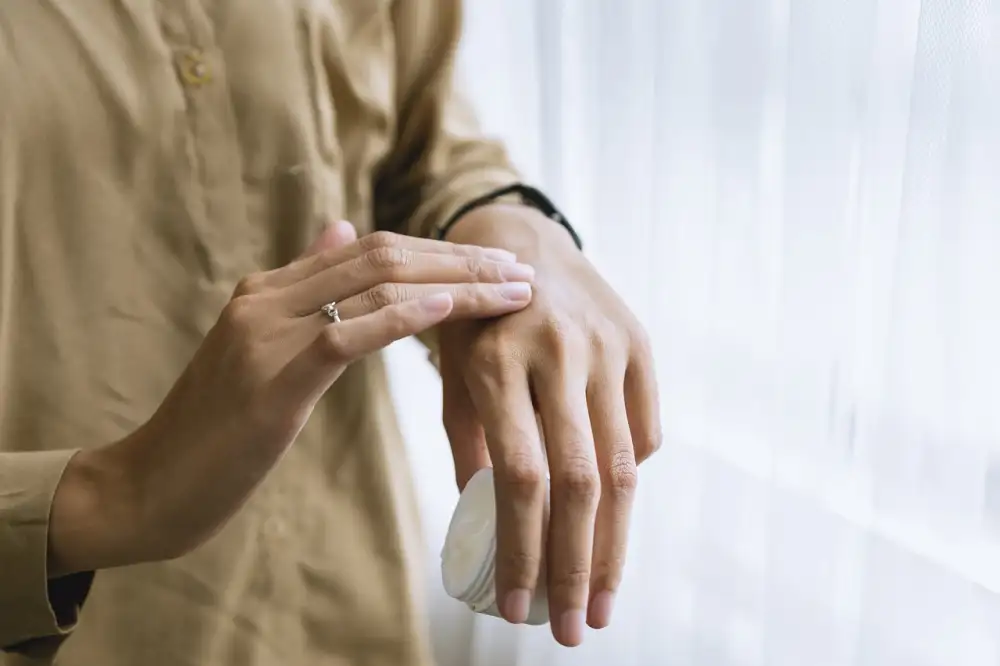
Benzoyl Peroxide is a common over-the-counter medication used for treating acne. It works by reducing the amount of acne-causing bacteria on the skin and helping to unclog pores. On the other hand, Hibiclens is an antiseptic skin cleanser that contains the active ingredient chlorhexidine gluconate. It is often used in healthcare settings to reduce bacteria on the skin before surgeries or medical procedures. Both Benzoyl Peroxide and Hibiclens play crucial roles in skincare, with distinct mechanisms of action for treating acne and maintaining skin hygiene.
Benefits of Benzoyl Peroxide for Acne Treatment
Benzoyl Peroxide is a widely used topical medication for acne treatment due to its effectiveness in combating acne-causing bacteria. It works by reducing inflammation, unclogging pores, and removing excess oil from the skin. Benzoyl Peroxide also helps prevent new breakouts by promoting skin cell turnover. Additionally, it is available in various forms such as gels, creams, and washes, making it convenient for different skin types and preferences. Studies have shown that Benzoyl Peroxide can significantly improve mild to moderate acne when used consistently as directed by healthcare professionals.
How Hibiclens Works as an Antiseptic Skin Cleanser
Hibiclens, also known as chlorhexidine gluconate, is a powerful antiseptic skin cleanser commonly used in healthcare settings. It works by disrupting the cell walls of microorganisms, effectively killing a wide range of bacteria, viruses, and fungi on the skin. Hibiclens binds to the skin and continues to provide protection for up to 6 hours after application. This long-lasting effect makes it an excellent choice for pre-surgical skin preparation and reducing the risk of infections in wounds or cuts. Its gentle formula is suitable for daily use and can help prevent the spread of harmful pathogens on the skin.
Safety Precautions and Side Effects of Benzoyl Peroxide
While benzoyl peroxide is generally considered safe for most people, there are some precautions to keep in mind. It may cause skin dryness, redness, peeling, or a burning sensation. Individuals with sensitive skin should start with a lower concentration to minimize irritation. Avoid contact with eyes, mouth, and mucous membranes.
In rare cases, benzoyl peroxide can cause allergic reactions such as rash, itching, swelling, or severe dizziness. If you experience any of these symptoms, discontinue use and seek medical attention. It's important to follow the instructions provided and not exceed the recommended dosage to prevent adverse effects on the skin.
Proper Usage and Considerations for Hibiclens
Proper usage of Hibiclens involves applying a small amount to wet skin, lathering and rinsing thoroughly with water. It should not be used on mucous membranes or near the eyes, ears, nose, or mouth. Avoid contact with open wounds or burns as it may cause irritation. It is essential to follow the instructions provided by healthcare professionals for specific conditions like surgical site preparation or wound cleansing. Additionally, prolonged use may lead to skin dryness, so moisturizing after use is recommended.
Potential Interactions and Contradictions between Benzoyl Peroxide and Hibiclens
When considering the potential interactions and contradictions between Benzoyl Peroxide and Hibiclens, it is important to note that both products are generally safe for use on the skin. However, using them together may lead to excessive dryness or irritation due to their combined effects on the skin's natural oils. It is advisable to consult a healthcare professional before combining these products to ensure they are suitable for your specific skin type and condition. Additionally, it is recommended to use them at different times of the day or alternate days to minimize any potential adverse reactions.
In conclusion, when it comes to choosing between Benzoyl Peroxide and Hibiclens for acne treatment and skin cleansing, it is crucial to consult healthcare professionals for guidance. They can provide personalized recommendations based on your skin type, medical history, and any potential interactions between the two products. Seeking professional advice ensures safe and effective use of these products, leading to better outcomes in managing acne and maintaining healthy skin.
Published: 23. 02. 2026
Category: Food