
Bourbon vs Whiskey: Unraveling the Delicious Differences
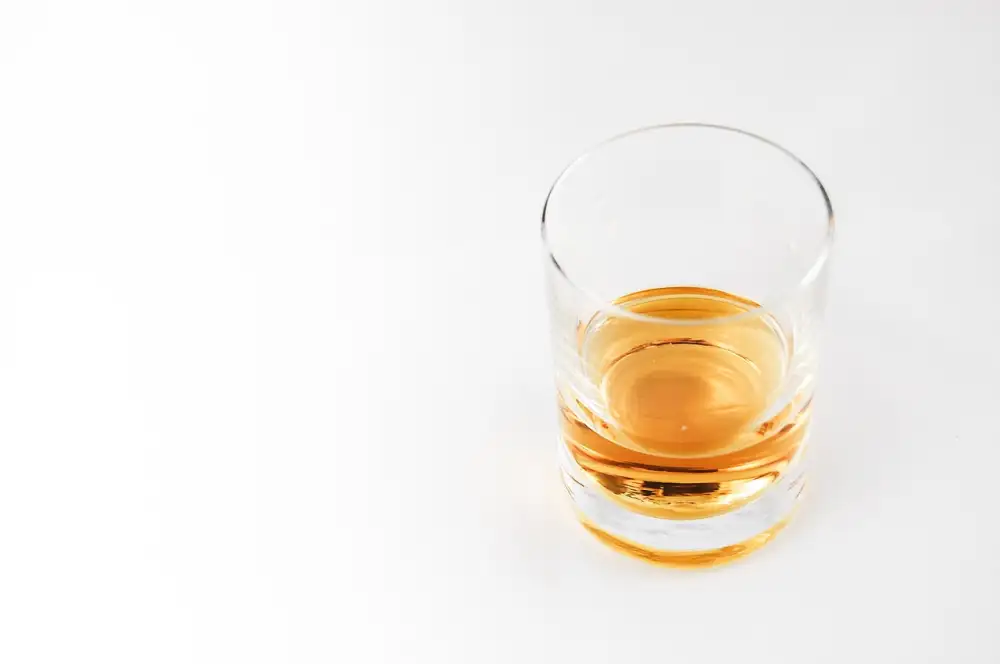
Bourbon and whiskey are two beloved spirits with rich histories and distinct characteristics. Bourbon is a type of whiskey that originated in the United States, specifically Kentucky. It is known for its smooth and slightly sweet flavor profile, often with notes of caramel, vanilla, and oak. Whiskey, on the other hand, is a broad category of distilled alcoholic beverages made from fermented grain mash. The term "whiskey" encompasses various styles such as Scotch, Irish, and American whiskeys like bourbon. Both bourbon and whiskey have their own unique production processes that contribute to their individual tastes and qualities.
Ingredients used in Bourbon and Whiskey production
Bourbon and whiskey share similar base ingredients, primarily being made from a fermented grain mash. However, there are specific requirements that differentiate the two. Bourbon must contain at least 51% corn in its mash bill, while whiskey can be made from a variety of grains such as barley, rye, and wheat. Both spirits use yeast to ferment the mash, converting sugars into alcohol. Additionally, water is a crucial ingredient in the production process to dilute the distilled spirit to the desired proof before aging.
Distillation process for Bourbon and Whiskey
The distillation process for both Bourbon and Whiskey is similar, involving the fermentation of grains like corn, rye, barley, or wheat. However, Bourbon must be distilled to no more than 160 proof (80% alcohol by volume) and entered into the barrel for aging at no more than 125 proof (62.5% alcohol by volume). On the other hand, Whiskey can be distilled to a higher proof and aged at any strength. This difference in distillation proofs contributes to the distinct flavors and characteristics of Bourbon and Whiskey.
Aging requirements for Bourbon and Whiskey
Aging requirements play a crucial role in defining the flavors of Bourbon and Whiskey. By law, Bourbon must be aged in new charred oak barrels, typically for a minimum of two years. However, to be labeled as "straight" Bourbon, it must be aged for at least four years. On the other hand, Whiskey has no specific aging requirements, but most varieties are aged for a minimum of three years in oak barrels to develop their distinct taste profiles. The longer the aging process, the more complex and refined the flavors become in both spirits.
Flavor profiles of Bourbon and Whiskey
When it comes to flavor profiles, Bourbon and Whiskey offer distinct tastes due to their production processes. Bourbon tends to have a sweeter, smoother flavor with notes of caramel, vanilla, and oak. On the other hand, Whiskey often has a bolder, more robust taste with hints of smoke, spice, and fruit. The charred barrels used in Bourbon aging contribute to its unique sweetness, while the variety of grains used in Whiskey production can result in a wider range of flavors. Whether you prefer the rich complexity of Whiskey or the smooth sweetness of Bourbon, both spirits offer a delightful array of flavors for any palate to enjoy.
Popular cocktails made with Bourbon and Whiskey
Popular cocktails made with Bourbon and Whiskey are a testament to the versatility and rich flavors of these spirits. Some classic Bourbon-based cocktails include the Old Fashioned, made with Bourbon, sugar, bitters, and a twist of citrus peel; the Mint Julep, a refreshing mix of Bourbon, mint, sugar, and water over crushed ice; and the Whiskey Sour, combining Whiskey, lemon juice, sugar, and sometimes egg white for a frothy texture. On the other hand, popular Whiskey-based cocktails include the iconic Manhattan (Whiskey, sweet vermouth, bitters); the Whiskey Smash (Whiskey, mint leaves, lemon juice); and the Rusty Nail (Whiskey and Drambuie liqueur). These cocktails showcase the depth of flavors that Bourbon and Whiskey bring to mixed drinks.
In conclusion, while both Bourbon and Whiskey are delicious spirits made from similar ingredients and undergo distillation processes, key differences set them apart. Bourbon must be made in the United States, primarily from corn, and aged in new charred oak barrels. Whiskey, on the other hand, has a broader category that includes various types like Scotch and Irish whiskey. The aging requirements also differ, with Bourbon aging for at least two years compared to Whiskey's varied aging periods. These distinctions result in unique flavor profiles that appeal to different palates, making both spirits versatile for cocktails or sipping neat.
Published: 04. 03. 2024
Category: Home