
Discover the Best Gluten-Free Flour Options for a Healthier Lifestyle
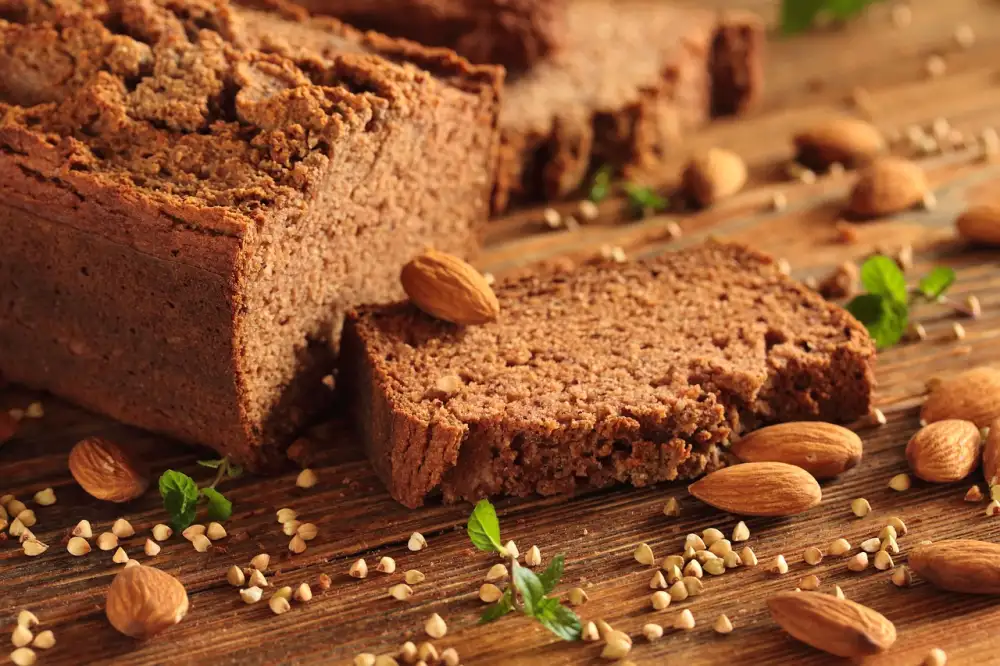
In recent years, there has been a growing interest in gluten-free diets as more people become aware of the potential health benefits. Gluten, a protein found in wheat, barley, and rye, can cause digestive issues and inflammation in some individuals. For those looking to adopt a gluten-free lifestyle, one essential ingredient to explore is gluten-free flour.
Gluten-free flour is a versatile alternative to traditional wheat flour that allows individuals with gluten sensitivities or celiac disease to enjoy their favorite baked goods without any adverse effects. It offers a wide range of options for those seeking a healthier lifestyle while still indulging in delicious foods.
Whether you have dietary restrictions or simply want to experiment with new flavors and textures, gluten-free flour opens up a world of culinary possibilities. From breads and pastries to pancakes and pizza crusts, this alternative flour can be used in various recipes without compromising taste or texture.
By understanding the benefits and different types of gluten-free flours available, you can make informed choices about incorporating them into your diet. With a little knowledge and experimentation, you'll soon discover the joys of baking with gluten-free flour and embark on a flavorful food adventure that supports your overall well-being.
Understanding Gluten and its Effects on Health
Gluten is a protein found in wheat, barley, and rye. For individuals with celiac disease or gluten sensitivity, consuming gluten can lead to various health issues. Celiac disease is an autoimmune disorder that damages the small intestine and hampers nutrient absorption. Symptoms include digestive problems, fatigue, and skin rashes. Non-celiac gluten sensitivity can cause similar symptoms but without the intestinal damage. Understanding the effects of gluten on health is crucial for those seeking a healthier lifestyle.
What is Gluten Free Flour?
Gluten free flour is a type of flour that does not contain gluten, a protein found in wheat, barley, and rye. It is specially made for individuals with gluten intolerance or those following a gluten-free diet. Gluten free flours are typically made from alternative grains and starches such as rice, corn, tapioca, potato, and sorghum. These flours provide a suitable substitute for traditional wheat flour in various recipes while still maintaining the desired texture and taste.
Benefits of Using Gluten Free Flour
Using gluten-free flour offers numerous benefits for those seeking a healthier lifestyle. Firstly, it allows individuals with gluten sensitivities or celiac disease to enjoy a wide range of delicious baked goods without the discomfort and health risks associated with consuming gluten. Additionally, gluten-free flour is often higher in fiber and nutrients compared to traditional wheat flour, making it a nutritious alternative. Moreover, using gluten-free flour can help promote better digestion and gut health, as it does not contain the proteins that can cause inflammation in some individuals. Lastly, incorporating gluten-free flour into your diet opens up a world of culinary possibilities, allowing you to experiment with unique flavors and textures while still maintaining a balanced and wholesome approach to eating.
Different Types of Gluten Free Flours Available
When it comes to gluten-free flours, there are numerous options available that can cater to a variety of dietary needs and preferences. Some popular choices include almond flour, coconut flour, rice flour, tapioca flour, and sorghum flour.
Almond flour is made from finely ground almonds and has a slightly sweet and nutty flavor. It is high in protein and healthy fats, making it a nutritious choice for baking.
Coconut flour is derived from dried coconut meat and has a naturally sweet taste. It is high in fiber and low in carbohydrates, making it ideal for those following a low-carb or ketogenic diet.
Rice flour is made from finely milled rice grains and has a mild flavor. It is versatile and can be used in various recipes such as breads, cakes, and cookies.
Tapioca flour, also known as tapioca starch, is extracted from the cassava root. It adds lightness and chewiness to baked goods and works well as a thickener in sauces and soups.
Sorghum flour is made from ground sorghum grains and has a slightly sweet taste. It is rich in fiber, protein, and antioxidants, making it a nutritious option for gluten-free baking.
Each type of gluten-free flour has its own unique properties that lend themselves well to different recipes. Experimenting with these flours can open up a world of possibilities for creating delicious gluten-free dishes that everyone can enjoy.
Tips for Baking with Gluten Free Flour
When baking with gluten-free flour, it's important to keep a few tips in mind. First, make sure to thoroughly mix the dry ingredients together before adding any liquids. This will help distribute the leavening agents evenly throughout the batter. Additionally, using xanthan gum or guar gum can help improve the texture and structure of baked goods. It's also crucial to follow recipes specifically designed for gluten-free flours, as they often require different ratios and techniques compared to traditional recipes. Lastly, be patient and allow gluten-free baked goods to cool completely before serving, as this will help them set and achieve a better texture. With these tips in mind, you'll be well on your way to creating delicious gluten-free treats!
Incorporating Gluten Free Flour into Your Diet
Switching to gluten-free flour doesn't mean sacrificing taste or variety in your diet. In fact, it opens up a whole new world of culinary possibilities. Here are some tips for incorporating gluten-free flour into your daily meals:
1. Start with simple recipes: Begin by substituting regular flour with gluten-free flour in your favorite recipes. Start with simple dishes like pancakes, muffins, or cookies to get a feel for the texture and taste.
2. Experiment with different flours: There are various types of gluten-free flours available, such as almond flour, coconut flour, rice flour, and tapioca flour. Each has its own unique flavor and texture, so don't be afraid to experiment and find the ones that work best for you.
3. Mix different flours: To achieve the best results, try blending different gluten-free flours together. Combining flours can enhance the nutritional profile and improve the texture of your baked goods.
4. Use binders: Gluten-free flours lack the binding properties of wheat-based flours. To compensate for this, add binders like xanthan gum or guar gum to improve the structure and texture of your baked goods.
5. Adjust liquid content: Gluten-free flours tend to absorb more liquid than regular flour. When using gluten-free flour in recipes, you may need to adjust the amount of liquid accordingly to achieve the desired consistency.
6. Be patient: Baking with gluten-free flour can be a learning process. Don't get discouraged if your first attempts aren't perfect – practice makes perfect!
By incorporating gluten-free flour into your diet, you can enjoy a wide range of delicious and nutritious meals without compromising on taste or health benefits. So go ahead and explore the endless possibilities that gluten-free cooking has to offer!
Potential Drawbacks and Considerations
While gluten-free flour offers numerous benefits, it's important to be aware of potential drawbacks and considerations. One major drawback is that gluten-free flours tend to have a different texture and taste compared to traditional wheat flour. This can affect the overall outcome of baked goods, making them denser or crumblier.
Additionally, gluten-free flours may not provide the same level of elasticity and structure as wheat flour, which can make it challenging to achieve certain baking techniques like bread-making. It may require some experimentation and adjustment in recipes to find the right balance.
Another consideration is that gluten-free flours often lack certain nutrients found in wheat flour, such as fiber, iron, and B vitamins. To compensate for this, it's important to incorporate other nutrient-rich ingredients into your diet.
Furthermore, gluten-free flours are typically more expensive than regular wheat flour due to the specialized production process and sourcing of alternative grains. This cost factor may influence your decision when choosing gluten-free options.
Lastly, individuals with celiac disease or non-celiac gluten sensitivity should be cautious when purchasing pre-packaged gluten-free flours. Cross-contamination during manufacturing can occur if the facility also handles wheat products. It's crucial to look for certified gluten-free labels to ensure safety.
Considering these factors will help you make informed choices when using gluten-free flour in your cooking and baking endeavors.
In conclusion, embracing the versatility of gluten-free flour can lead to a healthier lifestyle. By eliminating gluten from your diet, you can reduce inflammation, improve digestion, and even experience weight loss. With a wide variety of gluten-free flours available, you can still enjoy all your favorite baked goods without sacrificing taste or texture. Whether you choose almond flour, coconut flour, or a blend of different flours, experimenting with gluten-free options can open up a whole new world of culinary possibilities. So why not give it a try and embark on a flavorful food adventure that supports your health and well-being?
Published: 20. 12. 2023
Category: Home