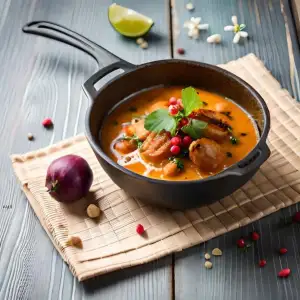
Discover the Irresistible Flavors of Tamari: A Gluten-Free Soy Sauce with a Delectably Rich Twist

- The origins and history of tamari
- The production process of tamari: Fermentation and aging
- The key differences between tamari and traditional soy sauce
- The health benefits of tamari: Low sodium and gluten-free options
- How to use tamari in cooking: Enhancing flavors and adding depth to dishes
- Exploring the versatility of tamari: From marinades to dressings
- Tamari in international cuisines: Its role in Japanese and Asian cooking
- Tips for choosing and storing tamari: Quality and shelf life considerations
Tamari, a gluten-free soy sauce alternative, is gaining popularity among food enthusiasts for its distinct flavor and versatility. Made from fermented soybeans, tamari offers a rich, savory taste that adds depth to any dish. Unlike traditional soy sauce, tamari is free from wheat and has a smoother, less salty profile. Whether you have dietary restrictions or simply want to explore new flavors, tamari is the perfect ingredient to elevate your culinary creations.
The origins and history of tamari
Tamari, a gluten-free soy sauce alternative, has a rich history that dates back to ancient Japan. It originated in the Chubu region during the 7th century and was traditionally made as a byproduct of miso production. Tamari was highly valued for its unique flavor and became popular among Buddhist monks and samurais. Over time, it spread throughout Japan and gained recognition as a distinct condiment. Today, tamari continues to be cherished for its deep umami taste and is enjoyed by food enthusiasts worldwide.
The production process of tamari: Fermentation and aging
Tamari is made through a traditional fermentation and aging process. First, soybeans are cooked and mixed with koji, a fermented rice or soybean culture. This mixture is then left to ferment for several months in wooden barrels. During this time, enzymes break down the proteins and carbohydrates in the soybeans, resulting in a rich and savory flavor. After fermentation, the liquid is pressed out and aged for additional months to develop its complex taste. This meticulous production process gives tamari its distinct umami flavor that sets it apart from regular soy sauce.
The key differences between tamari and traditional soy sauce
Tamari and traditional soy sauce may seem similar, but they have distinct differences. Tamari is made solely from soybeans, while traditional soy sauce includes wheat. This makes tamari a gluten-free option for those with dietary restrictions. Additionally, tamari has a richer, deeper flavor compared to the milder taste of traditional soy sauce. Its higher concentration of soybeans gives it a more intense umami flavor that can enhance any dish. So if you're looking for a unique twist on the classic soy sauce, tamari is definitely worth trying.
The health benefits of tamari: Low sodium and gluten-free options
Tamari offers a range of health benefits, making it an excellent choice for those with dietary restrictions or health concerns. One notable advantage is its low sodium content compared to traditional soy sauce. With less salt, tamari allows you to enjoy the rich umami flavor without worrying about excessive sodium intake. Additionally, tamari is naturally gluten-free, making it a perfect alternative for individuals with gluten sensitivities or celiac disease. By incorporating tamari into your cooking, you can savor delicious flavors while prioritizing your health and well-being.
How to use tamari in cooking: Enhancing flavors and adding depth to dishes
Tamari is a versatile ingredient that can elevate the flavors of any dish. Its rich, savory taste adds depth and complexity to both vegetarian and meat-based recipes. Use tamari as a marinade for tofu, tempeh, or meat to infuse them with its distinct umami flavor. Add a splash of tamari to stir-fries, soups, and sauces for an extra layer of depth. It also pairs well with roasted vegetables, grains, and even salad dressings. Experiment with tamari in your cooking to unlock its full potential and create truly delicious meals.
Exploring the versatility of tamari: From marinades to dressings
Tamari's versatility extends beyond its use as a condiment. Its rich and savory flavor makes it an excellent choice for marinades and dressings. When used as a marinade, tamari adds depth and complexity to meats, seafood, and vegetables. It tenderizes proteins while infusing them with its distinct umami taste. As a dressing ingredient, tamari can be combined with other ingredients like vinegar, oil, and herbs to create flavorful dressings for salads or drizzled over roasted vegetables. Whether you're looking to add a punch of flavor to your marinades or elevate your salads with a unique dressing, tamari is sure to deliver delicious results.
Tamari in international cuisines: Its role in Japanese and Asian cooking
Tamari plays a crucial role in Japanese and Asian cooking, adding depth and umami to a wide range of dishes. In Japanese cuisine, it is commonly used as a dipping sauce for sushi and sashimi, or as a seasoning for soups, stews, and stir-fries. Its rich flavor enhances the taste of traditional dishes like teriyaki chicken and yakitori skewers. In Asian cuisines beyond Japan, tamari is also used in Chinese stir-fries, Korean marinades, and Thai sauces. Its versatility makes it an essential ingredient in many beloved recipes across the continent.
Tips for choosing and storing tamari: Quality and shelf life considerations
When choosing tamari, look for a high-quality brand that uses traditional brewing methods. Check the label to ensure it is gluten-free and made from 100% soybeans. Opt for organic options if possible. To maximize shelf life, store tamari in a cool, dark place, away from direct sunlight. Once opened, keep it refrigerated to maintain its freshness and flavor. Remember to check the expiration date before using it in your recipes to ensure optimal taste and quality.
In conclusion, tamari is a gluten-free soy sauce alternative that offers a delectably rich twist to your dishes. Its distinct flavor, origins, and production process make it a unique addition to any kitchen. With its low sodium and gluten-free options, tamari also brings health benefits to the table. Whether you use it to enhance flavors or explore its versatility in different cuisines, tamari is sure to elevate your culinary adventures. So why not embrace the irresistible flavors of tamari and add a touch of love to your cooking?
Published: 22. 11. 2023
Category: Health