Garlic Shelf Life: How Long Does Garlic Last? Unveiling the Secrets of this Flavorful Bulb
Garlic, with its pungent aroma and distinct flavor, is a staple ingredient in many cuisines around the world. But have you ever wondered how long this flavorful bulb can last? Understanding the shelf life of garlic is essential for ensuring its freshness and optimal taste. In this article, we will delve into the factors that affect garlic's longevity and provide tips on storing it properly to extend its shelf life. So let's embark on a flavorful food adventure and unveil the secrets of garlic's lifespan!
Factors Affecting Garlic's Longevity
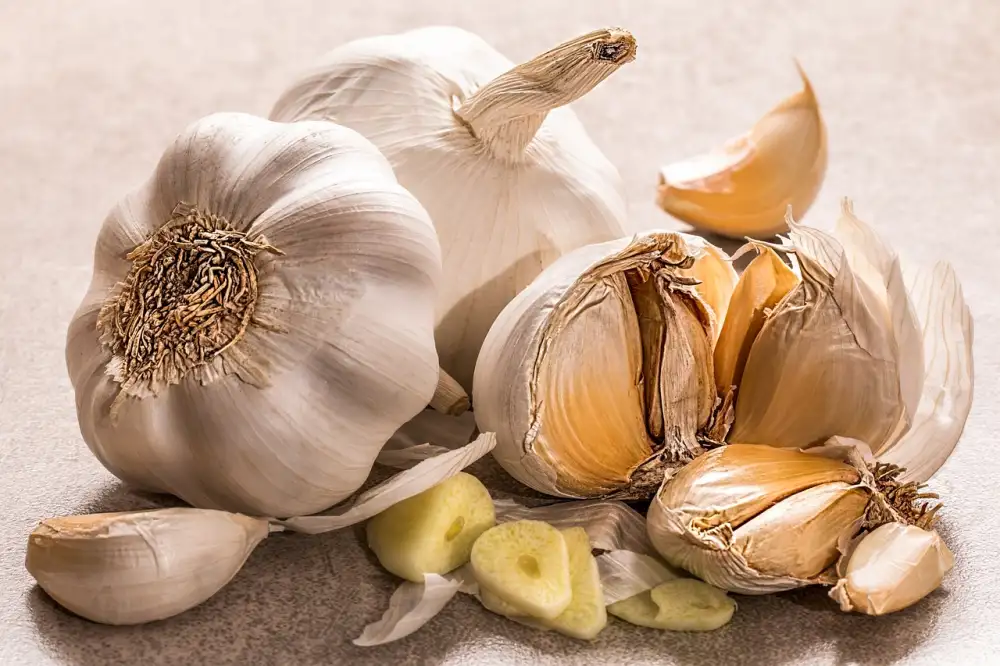
Several factors can influence the shelf life of garlic. Firstly, the quality and freshness of the garlic at the time of purchase play a significant role. Look for firm bulbs with tight, unbroken skin.
The storage conditions also impact how long garlic will last. Exposure to heat, moisture, and sunlight can accelerate spoilage. It is crucial to store garlic in a cool, dry place away from direct sunlight.
Additionally, the variety of garlic can affect its longevity. Softneck varieties tend to have a longer shelf life compared to hardneck varieties.
Lastly, proper handling and care are essential in preserving garlic's freshness. Avoid bruising or damaging the cloves as this can lead to faster deterioration.
By understanding these factors, you can ensure that your garlic stays fresh for an extended period, allowing you to enjoy its flavorful taste in your culinary creations.
Understanding Fresh Garlic's Lifespan
Fresh garlic, with its pungent aroma and distinct flavor, is a staple ingredient in many cuisines around the world. But how long does fresh garlic actually last? Understanding its lifespan is crucial for ensuring that you always have flavorful garlic on hand.
On average, fresh garlic can last anywhere from three to five months. However, this can vary depending on several factors. The quality of the garlic at the time of purchase plays a significant role in determining its longevity. Look for bulbs that are firm and free from any signs of mold or soft spots.
Additionally, the storage conditions can greatly impact the lifespan of fresh garlic. Garlic should be stored in a cool and dry place, away from direct sunlight and moisture. Ideally, it should be kept at a temperature between 60-65°F (15-18°C) with low humidity levels.
It's important to note that once garlic cloves are separated from the bulb, their lifespan decreases significantly. Individual cloves typically last for about one week when stored properly.
By understanding how long fresh garlic lasts, you can plan your meals accordingly and ensure that you always have flavorful garlic available for your culinary creations.
Storing Garlic Properly for Extended Shelf Life
To extend the shelf life of garlic, proper storage is essential. Here are some tips to help you store garlic properly:
1. Choose the right environment: Garlic should be stored in a cool, dark, and dry place. Avoid storing it near sources of heat or sunlight as this can cause premature sprouting and spoilage.
2. Keep it dry: Moisture can lead to the growth of mold and bacteria, so make sure your garlic bulbs are completely dry before storing them. Remove any dirt or excess moisture from the bulbs before placing them in storage.
3. Avoid refrigeration: While refrigeration may seem like a logical choice, it can actually cause garlic to deteriorate faster. The cold temperature and humidity in the refrigerator can cause cloves to become soft and moldy.
4. Use proper containers: Store garlic in containers that allow for good air circulation. A mesh bag or a wire basket works well as it allows any excess moisture to evaporate and prevents condensation from forming.
5. Separate damaged cloves: If you notice any cloves that are bruised or damaged, remove them from the bunch. Damaged cloves can spoil quickly and affect the quality of the rest of the garlic.
By following these storage guidelines, you can maximize the shelf life of your garlic and ensure its freshness for a longer period of time.
Signs of Spoiled Garlic: When to Discard
While garlic is known for its long shelf life, it is not immune to spoilage. Here are some signs that indicate your garlic has gone bad and should be discarded:
1. Mold or Discoloration: If you notice any green or blue patches on the cloves or white mold growing on the bulb, it's a clear sign that the garlic has spoiled. Mold can spread quickly and affect the entire bulb, so it's best to discard it.
2. Soft or Squishy Texture: Fresh garlic cloves should feel firm and solid when squeezed gently. If they feel soft or squishy, it means that the garlic has started to deteriorate and is no longer suitable for consumption.
3. Foul Odor: Garlic naturally has a pungent aroma, but if you detect an unpleasant smell like rotting or sourness, it indicates that the garlic has gone bad. Trust your nose; if it smells off, it's time to let go.
4. Sprouting: Sprouting is a natural process in which green shoots emerge from the cloves. While sprouted garlic is still safe to eat, it may have a bitter taste and a slightly different texture. If you prefer fresh-tasting garlic, discard sprouted cloves.
5. Sliminess: If your garlic feels slimy or sticky to touch, it's a sign of bacterial growth and spoilage. This sliminess occurs due to excess moisture trapped inside the bulb or cloves, making them unfit for consumption.
Remember that consuming spoiled garlic can lead to gastrointestinal discomfort and even food poisoning in severe cases. It's always better to err on the side of caution and discard any questionable garlic rather than risk your health.
Maximizing Garlic's Flavor and Shelf Life: Tips and Tricks
To maximize garlic's flavor and shelf life, there are a few tips and tricks you can follow. First, store garlic in a cool, dry place away from direct sunlight. Avoid storing it in the refrigerator as this can cause the cloves to become soft and moldy. Instead, opt for a well-ventilated pantry or a garlic keeper.
Another way to extend garlic's shelf life is by keeping the bulbs intact until you're ready to use them. Breaking apart the bulb prematurely can accelerate spoilage. When you do need to use garlic, only peel and chop what you need at that moment, leaving the rest of the cloves intact.
If you prefer convenience, consider freezing peeled garlic cloves. Simply chop or mince the cloves, place them in an airtight container or freezer bag, and store them in the freezer. Frozen garlic will retain its flavor for several months.
To preserve whole bulbs of garlic for an extended period, consider preserving them in oil or vinegar. This method not only enhances their flavor but also extends their shelf life significantly. However, it is crucial to refrigerate these preserved bulbs and consume them within a few weeks to prevent bacterial growth.
Lastly, avoid exposing garlic to moisture as it can lead to mold growth. Ensure that your storage area is dry and free from any sources of humidity.
By following these tips and tricks, you can enjoy fresh and flavorful garlic for longer periods while minimizing waste.
By understanding the factors that affect garlic's longevity and implementing proper storage techniques, you can extend the shelf life of this flavorful bulb. Remember to store garlic in a cool, dry place away from sunlight and moisture to prevent sprouting and spoilage. Regularly inspect your garlic for any signs of spoilage and discard if necessary. By following these tips and tricks, you can maximize both the flavor and shelf life of your garlic, ensuring that it remains fresh and delicious for longer. So go ahead, stock up on this versatile ingredient and embark on a flavorful food adventure in your kitchen!
Published: 27. 11. 2023
Category: Home