
Indulge in Royal Delights: A Guide to Exquisite Coronation Food at Home
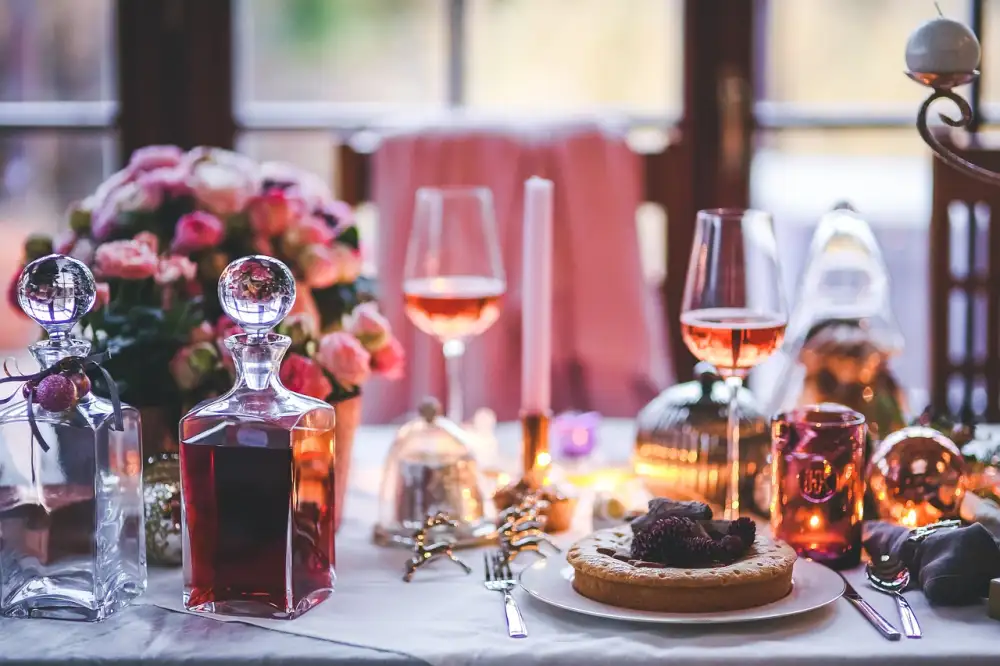
Coronation food is a culinary tradition steeped in history and grandeur. It refers to the sumptuous dishes that are served during coronation ceremonies of monarchs around the world. These regal feasts are a celebration of power, prestige, and the rich cultural heritage of a nation.
The term "coronation food" conjures up images of opulent banquets, adorned tables, and exquisite delicacies fit for royalty. From succulent roasts to decadent desserts, these dishes are carefully crafted to tantalize the taste buds and leave a lasting impression on all who partake in them.
In this article, we will delve into the significance of coronation food in history, explore traditional dishes served at coronations, discover modern interpretations of these delicacies, and provide you with tips on how to recreate them at home. So get ready to embark on a culinary journey fit for kings and queens as we indulge in the royal delights of coronation food.
Significance of Coronation Food in History
Coronation food holds great significance in history, as it represents the grandeur and tradition of royal ceremonies. Throughout the ages, coronations have been celebrated with lavish feasts, showcasing the wealth and power of monarchs. These sumptuous meals served as a symbol of authority and were meant to impress both foreign dignitaries and the general public.
The importance of coronation food can be traced back to ancient times when rulers believed that their divine right to rule was reflected in the opulence of their banquets. The abundance of exotic ingredients and elaborate preparations demonstrated their ability to provide for their subjects and maintain social order.
During medieval times, coronation feasts became even more extravagant, featuring an array of delicacies such as roasted meats, spiced wines, and ornate desserts. These feasts were not only a celebration of the new monarch's ascension but also an opportunity for them to display their wealth and influence.
In addition to its symbolic significance, coronation food also played a practical role in fostering diplomatic relations. Foreign ambassadors were invited to these feasts as a gesture of goodwill, where they could experience the richness of the host country's cuisine. This act of hospitality helped strengthen alliances and establish diplomatic ties between nations.
Over time, coronation food has evolved alongside changing culinary trends. While traditional dishes still hold a special place in these ceremonies, modern interpretations have emerged to cater to contemporary tastes. Chefs now strive to balance tradition with innovation by incorporating local flavors and sustainable ingredients into their creations.
Despite these changes, the significance of coronation food remains intact. It continues to serve as a reminder of our rich cultural heritage and offers a glimpse into the traditions that have shaped our society. By indulging in these royal delights at home, we can not only elevate our taste buds but also connect with history on a deeper level.
Traditional Dishes Served at Coronations
Coronations have long been associated with grand feasts and extravagant banquets, featuring a wide array of traditional dishes that showcase the rich culinary heritage of the host country. These dishes are carefully selected to reflect the culture and history of the nation, making each coronation a unique gastronomic experience.
One such traditional dish is the coronation chicken, which was first served at Queen Elizabeth II's coronation in 1953. This delectable dish consists of succulent chicken pieces coated in a creamy curry sauce, garnished with raisins and almonds. It has since become an iconic part of British cuisine, often served as a sandwich filling or salad.
Another popular dish is the coronation lamb, which symbolizes the regal nature of the occasion. Tender lamb is marinated in a blend of aromatic spices and slow-cooked to perfection, resulting in a melt-in-your-mouth delicacy fit for royalty. This dish is often accompanied by mint sauce or roasted vegetables.
In addition to these main courses, traditional side dishes like buttered new potatoes, asparagus spears, and glazed carrots are commonly served at coronations. These simple yet flavorful accompaniments complement the richness of the main dishes and add a touch of elegance to the meal.
For dessert, indulgent treats like fruit tarts, trifle, and sponge cakes are often enjoyed by guests. These sweet delights are beautifully presented and provide a delightful end to the royal feast.
The traditional dishes served at coronations not only satisfy hunger but also pay homage to centuries-old culinary traditions. They serve as a reminder of the rich history and cultural heritage associated with these grand events. So why not recreate these timeless classics in your own kitchen and experience a taste of royalty?
Modern Interpretations of Coronation Food
While traditional coronation food holds a special place in history, modern interpretations have also emerged to cater to evolving tastes. Chefs and home cooks alike have experimented with new flavors and techniques to put a contemporary spin on these regal dishes.
One popular trend is the fusion of international cuisines with traditional coronation recipes. For example, chefs have combined Indian spices with British classics like roast beef or fish and chips, creating a delightful blend of flavors that pay homage to both cultures.
Another modern twist is the use of sustainable and locally sourced ingredients. With an increasing focus on environmental consciousness, many chefs are opting for organic produce and ethically raised meats in their coronation dishes. This not only adds a fresh and vibrant touch but also supports local farmers and reduces the carbon footprint.
In addition, there has been a shift towards lighter and healthier versions of coronation food. Chefs are experimenting with alternative cooking methods such as grilling or steaming instead of deep-frying, resulting in dishes that are both delicious and nutritious. They are also incorporating more plant-based options to cater to the growing demand for vegetarian and vegan alternatives.
Furthermore, presentation plays a crucial role in modern interpretations of coronation food. Chefs are using innovative plating techniques to create visually stunning dishes that are as pleasing to the eye as they are to the palate. From intricate garnishes to edible flowers, every detail is carefully considered to elevate the dining experience.
Overall, modern interpretations of coronation food offer an exciting twist on traditional recipes while embracing contemporary culinary trends. Whether it's through fusion flavors, sustainable ingredients, healthier options, or artistic presentation, these reinterpretations allow us to indulge in royal delights while keeping up with our evolving tastes.
Tips for Recreating Coronation Food at Home
1. Research and Plan: Before attempting to recreate coronation food, do some research on traditional recipes and the ingredients used. Plan your menu in advance, taking into consideration the time required for preparation.
2. Use Authentic Ingredients: To achieve an authentic taste, use high-quality ingredients that are true to the original recipes. Look for specialty shops or online stores that offer traditional spices, herbs, and other essential ingredients.
3. Pay Attention to Presentation: Coronation food is known for its exquisite presentation. Take the time to garnish your dishes beautifully with fresh herbs, edible flowers, or decorative sauces. This will add a touch of elegance to your meal.
4. Experiment with Flavors: While it's important to stay true to tradition, don't be afraid to experiment with flavors. Add your own twist by incorporating modern techniques or unique combinations of spices and seasonings.
5. Master Cooking Techniques: Some coronation dishes require specific cooking techniques such as braising or roasting. Take the time to master these techniques before attempting the recipes, as they can greatly impact the final result.
6. Practice Patience: Many coronation dishes require slow cooking or marinating overnight to develop their full flavors. Be patient and allow enough time for these processes to take place.
7. Serve with Style: When serving your recreated coronation food, pay attention to details like using fine china or elegant serving platters. This will enhance the overall dining experience and make it feel truly regal.
By following these tips, you can recreate the splendor of coronation food in your own kitchen and indulge in a royal feast fit for kings and queens!
Popular Coronation Food Recipes to Try
1. Coronation Chicken: This iconic dish was created for Queen Elizabeth II's coronation in 1953. To make it, combine cooked chicken with a creamy curry sauce made from mayonnaise, mango chutney, curry powder, and lime juice. Serve on a bed of lettuce or as a sandwich filling.
2. Beef Wellington: A classic British dish fit for royalty, Beef Wellington is made by wrapping tender beef fillet in puff pastry along with a layer of mushroom duxelles and prosciutto. Bake until golden brown and serve with a rich red wine sauce.
3. Cucumber Sandwiches: These delicate finger sandwiches are a staple at British afternoon tea parties and coronations alike. Spread thinly sliced cucumber on buttered bread, sprinkle with salt, and cut into small triangles or fingers.
4. Victoria Sponge Cake: Named after Queen Victoria, this light and fluffy sponge cake is filled with jam and whipped cream. It's traditionally served at afternoon tea gatherings but can also be enjoyed as a dessert at coronation-themed dinners.
5. Scones with Clotted Cream and Jam: No coronation feast would be complete without scones served with clotted cream and strawberry jam. These buttery pastries are best enjoyed warm from the oven and paired with a pot of freshly brewed tea.
Try these popular coronation food recipes to recreate the regal dining experience at home. Whether you're hosting a themed dinner party or simply indulging your taste buds, these dishes will surely transport you to the world of royalty
Indulging in the exquisite flavors of Coronation Food is a delightful way to elevate your taste buds and experience a taste of royalty. By exploring the traditional dishes served at coronations and experimenting with modern interpretations, you can bring the regal essence into your own kitchen.
Recreating Coronation Food at home may seem like a daunting task, but with a few tips and tricks, it can be an enjoyable culinary adventure. Start by researching the significance of each dish and understanding its historical context. This will help you appreciate the rich heritage behind these royal delicacies.
When recreating Coronation Food, pay attention to ingredients and techniques used in traditional recipes. Opt for high-quality ingredients that reflect the opulence associated with royal feasts. Experiment with spices and flavors to add your own personal touch while still honoring the authenticity of the dish.
Don't be afraid to try modern interpretations of Coronation Food as well. Chefs around the world have been inspired by these historic dishes and have created their own contemporary versions. Incorporate innovative cooking techniques or fusion flavors to infuse new life into traditional recipes.
To get started on your culinary journey, try popular Coronation Food recipes such as Coronation Chicken, Beef Wellington, or Queen Victoria's favorite dessert - Plum Pudding. These dishes will transport you to a time when lavish banquets were served to celebrate momentous occasions.
In conclusion, indulging in Coronation Food allows us to connect with history while savoring exquisite flavors fit for royalty. Whether you choose to recreate traditional dishes or experiment with modern interpretations, embracing this regal cuisine will undoubtedly elevate your taste buds and provide a truly memorable dining experience at home.
Published: 22. 01. 2024
Category: Food