Is it Safe to Microwave Styrofoam? Unveiling the Truth for Home Cooking
Microwaving food has become a convenient and time-saving method for many home cooks. However, there is often confusion and concern surrounding the safety of microwaving certain materials, particularly Styrofoam. In this article, we will delve into the topic to uncover the truth about whether it is safe to microwave Styrofoam. By understanding its composition and potential risks, we can make informed choices for a safer cooking experience at home.
Understanding Styrofoam: What is it Made of?
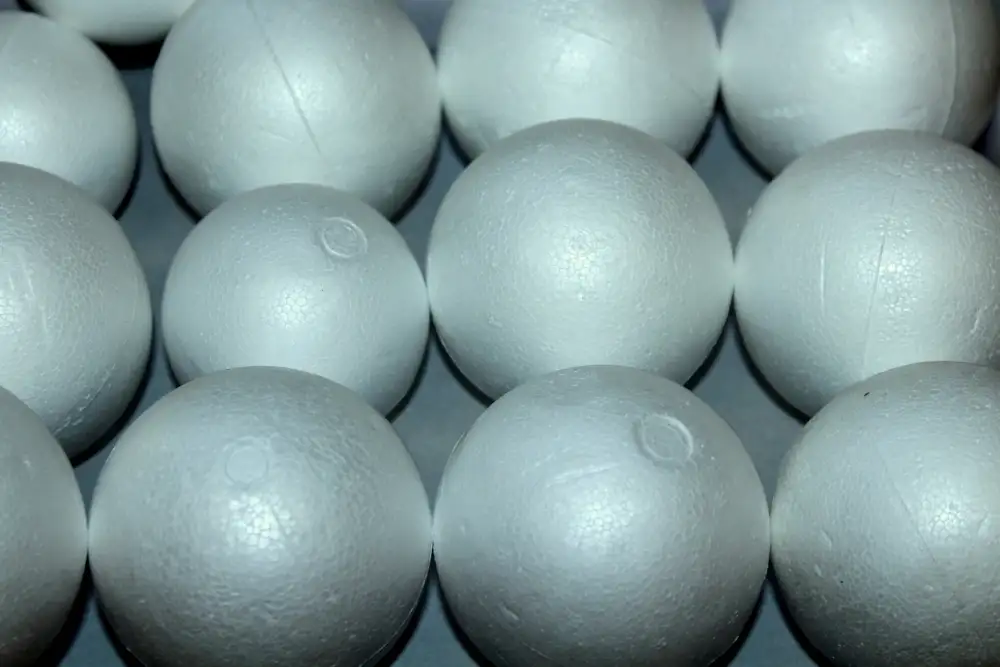
Styrofoam, also known as expanded polystyrene (EPS), is a popular material used for packaging and insulation. It is made from a petroleum-based plastic called polystyrene, which is derived from styrene monomers. The manufacturing process involves expanding the polystyrene beads with steam, creating the familiar lightweight and insulating properties of Styrofoam.
The structure of Styrofoam consists of 95-98% air, making it an excellent insulator for both hot and cold temperatures. However, this composition also contributes to its vulnerability when exposed to high heat.
It's important to note that not all types of Styrofoam are microwave-safe. Some containers or products may be labeled as "microwave-safe" or have specific instructions for microwave use. It is crucial to read these labels carefully before using them in the microwave.
Next, we will delve into the potential risks associated with microwaving Styrofoam and explore whether these concerns are valid or merely misconceptions.
The Risks of Microwaving Styrofoam: Potential Dangers
Microwaving Styrofoam can pose potential dangers due to the materials it is made of. Styrofoam is a type of plastic foam, specifically expanded polystyrene (EPS), which contains chemicals that can leach into food when exposed to high temperatures. When heated in a microwave, these chemicals may migrate into your food and potentially be ingested.
One of the main concerns is the presence of styrene, a compound used in the production of polystyrene. Studies have suggested that exposure to styrene may have adverse health effects, including possible carcinogenic properties. While the levels released during microwaving are generally low, long-term exposure could be a cause for concern.
Additionally, microwaving Styrofoam can lead to the release of toxic fumes. When subjected to high heat, EPS can melt or warp, releasing harmful chemicals into the air. Inhaling these fumes may irritate the respiratory system and could potentially be hazardous to your health.
It's important to note that not all types of Styrofoam are microwave-safe. Some containers may have labels indicating their suitability for microwave use, but it's crucial to follow these guidelines strictly. Using non-microwave-safe Styrofoam containers can result in melting or even fires in extreme cases.
To ensure your safety while heating food in the microwave, it's best to avoid using Styrofoam altogether. Opt for microwave-safe glass or ceramic containers instead. These alternatives are free from harmful chemicals and provide a safer option for heating your meals.
By being aware of the potential risks associated with microwaving Styrofoam and making informed choices about your food containers, you can prioritize your health and well-being while enjoying delicious home-cooked meals.
Debunking Common Misconceptions: Is Microwaving Styrofoam Safe?
There is a common misconception that microwaving Styrofoam releases harmful chemicals into food. However, this is not entirely true. While it is true that certain types of Styrofoam can release toxic substances when exposed to high temperatures, most microwave-safe Styrofoam containers are designed to withstand the heat without leaching harmful chemicals.
Microwave-safe Styrofoam containers are made from a different type of foam called expanded polystyrene (EPS). EPS is designed to be heat-resistant and does not release harmful chemicals when microwaved. These containers are labeled as microwave-safe and have been tested by regulatory bodies to ensure their safety.
It's important to note that not all Styrofoam products are safe for microwave use. Some takeout containers or coffee cups may contain additives or coatings that can melt or leach chemicals into food when heated. It's crucial to check the packaging for the microwave-safe label before using any Styrofoam product in the microwave.
To further minimize any potential risks, it's recommended to avoid microwaving fatty or oily foods in Styrofoam containers, as these can increase the chances of chemical migration. Instead, transfer your food to a microwave-safe glass or ceramic container.
In conclusion, microwaving Styrofoam can be safe as long as you use microwave-safe containers specifically designed for this purpose. By debunking these misconceptions and making informed choices, you can confidently enjoy the convenience of heating your food in the microwave without compromising your health and safety.
Alternatives to Microwaving Styrofoam: Safer Options for Heating Food
When it comes to heating food, there are several alternatives to microwaving Styrofoam that are considered safer options. One such option is using microwave-safe glass containers. These containers are specifically designed to withstand the heat generated by a microwave and do not release harmful chemicals into your food.
Another alternative is using microwave-safe ceramic or porcelain dishes. These materials are also safe for use in the microwave and provide a sturdy and reliable option for heating your meals.
Additionally, you can opt for microwave-safe plastic containers that are labeled as such. These containers are made from materials that have been tested and approved for use in the microwave, ensuring that they will not leach harmful substances into your food.
Lastly, if you prefer to avoid using any type of plastic or synthetic material altogether, you can choose to transfer your food into a microwave-safe paper or cardboard container. These options are typically free from chemicals and pose no risk when heated in the microwave.
By choosing these safer alternatives, you can ensure that you are making informed choices when it comes to heating your food and avoiding any potential risks associated with microwaving Styrofoam.
In conclusion, it is important to make informed choices when it comes to microwaving Styrofoam. While some types of Styrofoam may be labeled as microwave-safe, it is best to err on the side of caution and avoid using it in the microwave altogether. The potential risks of chemicals leaching into your food are not worth the convenience.
Instead, opt for safer alternatives such as glass or ceramic containers that are specifically labeled as microwave-safe. These materials do not pose the same health risks and can be used with confidence.
By being aware of the potential dangers and making conscious decisions about the materials we use in our kitchens, we can ensure a safe and healthy environment for ourselves and our loved ones. So let's prioritize safety and choose wisely when it comes to heating our food at home.
Published: 06. 01. 2024
Category: Home