
Master the Art of Cast Iron Skillet Cleaning: A Step-by-Step Guide for Spotless Results
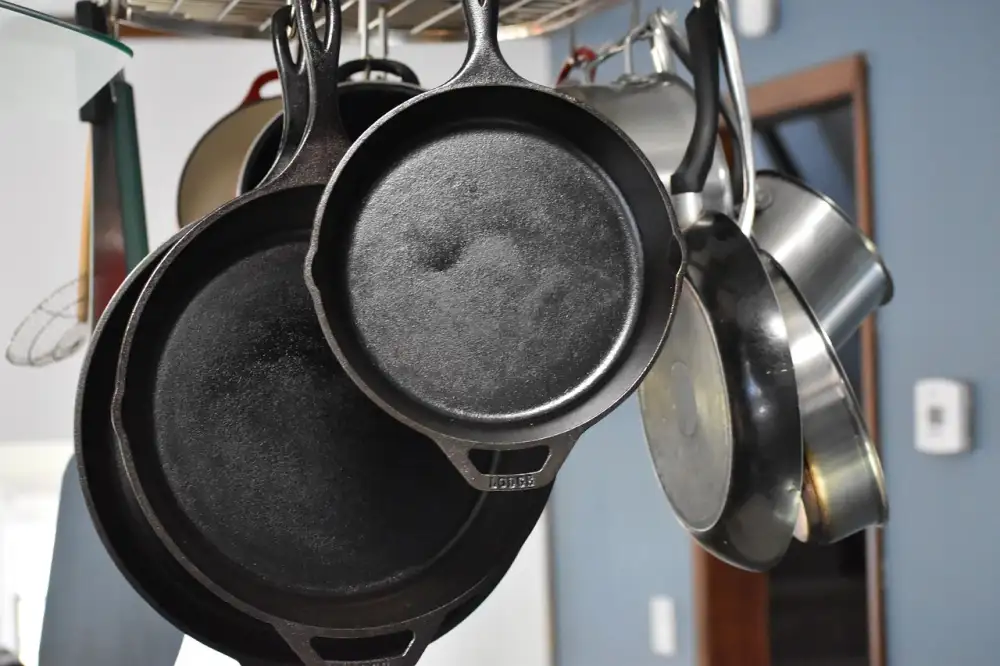
Cleaning a cast iron skillet may seem like a daunting task, but with the right techniques and tools, it can be a breeze. Cast iron skillets are beloved for their ability to distribute heat evenly and create delicious meals. However, they require special care to maintain their longevity and cooking performance. In this step-by-step guide, we will explore the art of cast iron skillet cleaning, ensuring spotless results every time. So, let's dive in and discover the joy of cooking with a clean cast iron skillet!
Importance of proper cleaning for cast iron skillets
Proper cleaning of cast iron skillets is essential for maintaining their longevity and ensuring optimal cooking performance. Neglecting to clean your skillet properly can lead to a buildup of food residue, which can affect the flavor of your dishes and even promote the growth of bacteria. Additionally, if not cleaned correctly, cast iron skillets can develop rust, compromising their durability. By understanding the importance of proper cleaning techniques, you can preserve the quality of your skillet and enjoy delicious meals for years to come.
Gather necessary cleaning supplies
To effectively clean your cast iron skillet, it's important to gather the necessary cleaning supplies. Here's what you'll need:
1. Coarse salt: This will act as a gentle abrasive to remove any stuck-on food particles without damaging the skillet's seasoning.
2. Soft sponge or brush: Choose a non-abrasive sponge or brush to scrub the skillet without scratching its surface.
3. Mild dish soap: While some purists prefer not to use soap on their cast iron skillets, a mild dish soap can help remove stubborn stains and odors.
4. Hot water: Use hot water to rinse off the skillet after cleaning, as it helps to loosen any remaining residue.
5. Paper towels or clean cloth: These are essential for drying the skillet thoroughly after cleaning.
By having these cleaning supplies ready, you'll be well-prepared to tackle the task of cleaning your cast iron skillet effectively and efficiently.
Preparing the cast iron skillet for cleaning
Before you begin cleaning your cast iron skillet, it is important to properly prepare it. Start by removing any food residue or stuck-on bits using a stiff brush or scraper. Be gentle to avoid scratching the surface of the skillet. Next, rinse the skillet under warm water, avoiding the use of soap as it can strip away the seasoning. If there are stubborn stains or residue, you can use a small amount of coarse salt and a paper towel to scrub them away. Once the skillet is free from food debris, dry it thoroughly using a clean cloth or paper towels. Make sure to remove all moisture to prevent rusting.
Cleaning the cast iron skillet
Cleaning the cast iron skillet is an essential step to maintain its longevity and cooking performance. Start by rinsing the skillet with hot water, using a sponge or brush to remove any food residue. Avoid using soap as it can strip away the skillet's seasoning. For stubborn stuck-on food, sprinkle some coarse salt onto the skillet and scrub gently. Rinse thoroughly and inspect for any remaining debris. If needed, repeat the process until the skillet is clean. Remember to never soak the skillet in water or leave it wet, as this can lead to rusting.
Drying and seasoning the cast iron skillet
After cleaning your cast iron skillet, it is crucial to dry it thoroughly to prevent rusting. Use a clean towel or paper towels to remove any moisture from the surface. Make sure to dry both the inside and outside of the skillet.
Once dry, it's time to season the cast iron skillet. Seasoning helps create a non-stick surface and adds flavor to your dishes. Start by applying a thin layer of vegetable oil or melted shortening all over the skillet, including the handle.
Next, preheat your oven to 350°F (175°C). Place the skillet upside down on the middle rack of the oven with a baking sheet or aluminum foil on the bottom rack to catch any drips. Bake for one hour.
After an hour, turn off the oven but leave the skillet inside until it cools down completely. This allows the oil to penetrate and bond with the cast iron, forming a protective coating.
Remember, seasoning is an ongoing process. The more you cook with your cast iron skillet, the better seasoned it becomes. Regular use and proper cleaning will help maintain its seasoning and keep it in top condition.
With proper drying and seasoning techniques, your cast iron skillet will be ready for many delicious meals ahead!
Storing the cast iron skillet
Storing the cast iron skillet is an important step to ensure its longevity and prevent rusting. After cleaning and drying the skillet thoroughly, it's crucial to store it in a dry place. Avoid stacking other cookware on top of it as this can cause scratches. To further protect against moisture, you can place a paper towel or cloth inside the skillet before storing. If you prefer, you can also lightly coat the skillet with a thin layer of oil before storing to provide extra protection against rust. By following these storage tips, your cast iron skillet will be ready for use whenever you need it, ensuring delicious meals every time.
Tips for maintaining the cleanliness of cast iron skillets
To maintain the cleanliness of your cast iron skillet, follow these simple tips:
1. Avoid using harsh detergents or abrasive scrubbers that can strip away the seasoning. Instead, use a gentle dish soap and a soft sponge or brush.
2. After each use, rinse the skillet with hot water to remove any food residue. Avoid soaking it for long periods as this can lead to rusting.
3. To remove stubborn stuck-on food, try using coarse salt as a natural abrasive. Sprinkle it on the skillet and scrub gently with a damp cloth or brush.
4. Always dry your cast iron skillet thoroughly after cleaning to prevent moisture from causing rust. Place it on low heat for a few minutes to evaporate any remaining moisture.
5. Apply a thin layer of oil to the skillet after each use to maintain its seasoning and prevent rusting. Use a paper towel or cloth to evenly coat the entire surface.
6. Store your cast iron skillet in a dry place with good ventilation to avoid moisture buildup. If stacking multiple skillets, place a paper towel between them to prevent scratching.
By following these tips, you can ensure that your cast iron skillet remains clean and in excellent condition for years to come, allowing you to enjoy its many benefits in your cooking adventures!
In conclusion, mastering the art of cast iron skillet cleaning is essential for enjoying the benefits of this versatile cooking tool. A clean cast iron skillet not only ensures optimal cooking performance but also prolongs its lifespan. By following the step-by-step guide outlined in this article, you can maintain a spotless and well-seasoned cast iron skillet that will enhance your culinary adventures for years to come. So, go ahead and elevate your taste buds by embracing the joy of cooking with a clean cast iron skillet!
Published: 29. 12. 2023
Category: Food