Unlock the Secrets of Italian Seasoning Ingredients: Elevate Your Culinary Creations with Authentic Flavors
- The Importance of Italian Seasoning in Italian Cuisine
- Key Ingredients in Italian Seasoning
- Basil
- Oregano
- Thyme
- Rosemary
- Marjoram
- Sage
- Additional Ingredients in Italian Seasoning
- Garlic Powder
- Onion Powder
- Red Pepper Flakes
- Black Pepper
- Salt
- The Perfect Blend: Ratios and Proportions
- Tips for Using Italian Seasoning in Your Cooking
- Popular Dishes that Utilize Italian Seasoning
Italian cuisine is renowned for its rich and bold flavors, and at the heart of these flavors lies the secret ingredient: Italian seasoning. This aromatic blend of herbs and spices adds depth and complexity to any dish, elevating it to new heights of deliciousness. Whether you're making pasta, pizza, or even a simple salad, understanding the key ingredients in Italian seasoning is essential for creating authentic Italian dishes that will impress your taste buds. So let's dive into the world of Italian seasoning ingredients and unlock the secrets to culinary perfection!
The Importance of Italian Seasoning in Italian Cuisine
Italian seasoning plays a vital role in Italian cuisine, as it is the key to unlocking the authentic flavors that make these dishes so beloved. It is the secret ingredient that elevates simple ingredients into culinary masterpieces. Italian seasoning adds depth, complexity, and a burst of aromatic flavors to pasta sauces, pizzas, soups, and more. Without it, Italian dishes would lack the distinctive taste that has made them famous worldwide. So if you want to truly experience the essence of Italian cooking, incorporating Italian seasoning into your recipes is essential.
Key Ingredients in Italian Seasoning
a. Basil
b. Oregano
c. Thyme
d. Rosemary
e. Marjoram
f. Sage
Italian seasoning is a blend of various herbs and spices that are essential in creating the authentic flavors of Italian cuisine. Each ingredient plays a crucial role in adding depth and complexity to dishes, making them truly irresistible.
Basil, with its sweet and slightly peppery taste, is a staple in Italian cooking. It adds a fresh and aromatic quality to sauces, soups, and salads. Oregano, on the other hand, brings a robust and earthy flavor that pairs perfectly with tomatoes and meats.
Thyme is known for its subtle yet distinct taste that complements a wide range of dishes, from roasted vegetables to grilled meats. Rosemary adds a pine-like fragrance and a hint of bitterness that enhances the flavors of roasted potatoes, lamb, and poultry.
Marjoram has a delicate flavor similar to oregano but milder, making it an excellent addition to pasta sauces and meat marinades. Lastly, sage provides a warm and savory note that works well with poultry dishes like chicken saltimbocca or Thanksgiving stuffing.
By combining these key ingredients in the right proportions, you can unlock the secrets of Italian seasoning and elevate your culinary creations to new heights of deliciousness.
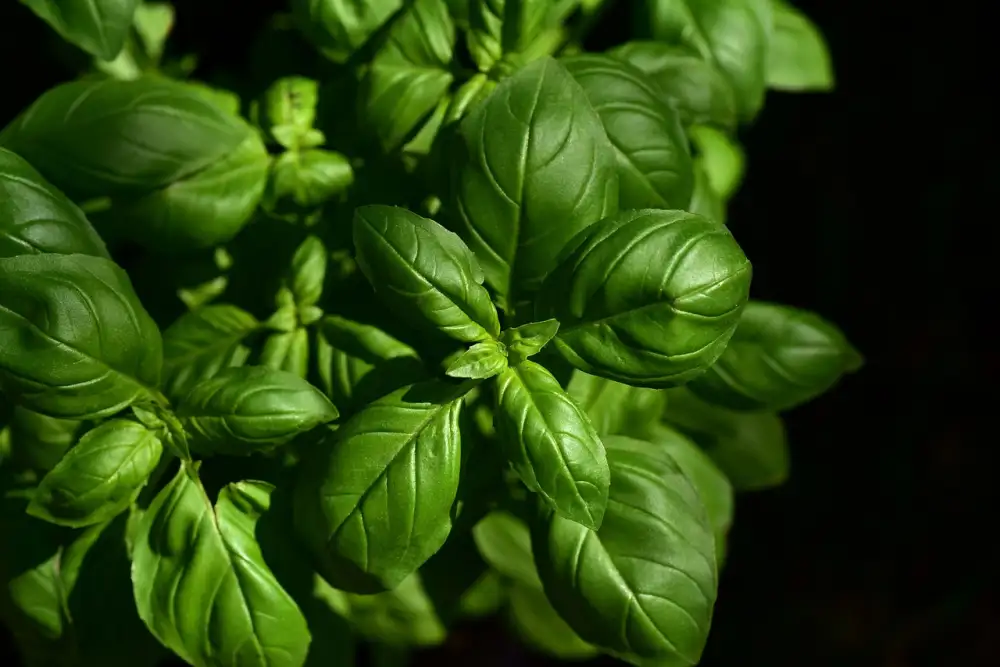
Basil
Basil is a key ingredient in Italian seasoning and plays a vital role in Italian cuisine. Known for its distinct aroma and flavor, basil adds a fresh and herbaceous taste to dishes. It pairs perfectly with tomatoes, making it a staple in classic Italian dishes like Caprese salad and Margherita pizza. Whether used fresh or dried, basil brings a vibrant and aromatic element to any recipe. Its versatility makes it an essential component of Italian seasoning, enhancing the overall flavor profile of your culinary creations.
Oregano
Oregano is a key ingredient in Italian seasoning, known for its robust and earthy flavor. It adds a distinct aroma and taste to dishes, making it an essential herb in Italian cuisine. Oregano is commonly used in tomato-based sauces, pasta dishes, pizzas, and grilled meats. Its versatility allows it to complement a wide range of ingredients, adding depth and complexity to any dish. Whether dried or fresh, oregano brings an authentic Italian touch to your culinary creations.
Thyme
Thyme is a crucial ingredient in Italian seasoning, adding a distinct earthy and aromatic flavor to dishes. This herb is known for its versatility and pairs well with a variety of ingredients. Its small leaves are packed with essential oils that release a delightful fragrance when cooked. Thyme is commonly used in pasta sauces, soups, stews, and roasted meats. Its subtle yet robust flavor enhances the overall taste of Italian dishes, making it an indispensable component of authentic Italian seasoning.
Rosemary
Rosemary is a key ingredient in Italian seasoning, known for its distinct and aromatic flavor. This herb adds a woody and pine-like taste to dishes, enhancing the overall depth of flavor. It pairs well with meats, especially lamb and poultry, as well as roasted vegetables. Rosemary can be used fresh or dried, but it is important to crush or chop it before adding it to your recipes to release its essential oils. Its versatility makes it a must-have in any Italian kitchen.
Marjoram
Marjoram is another essential ingredient in Italian seasoning that adds a unique and delicate flavor to dishes. It belongs to the mint family and has a slightly sweet and citrusy taste. Marjoram pairs well with other herbs like basil and oregano, enhancing their flavors. Its aromatic qualities make it perfect for adding depth to sauces, soups, stews, and roasted meats. Whether you use fresh or dried marjoram, this herb will surely elevate your culinary creations with its authentic Italian essence.
Sage
Sage is a key ingredient in Italian seasoning that adds a distinct and earthy flavor to dishes. Its aromatic qualities make it a popular choice in Italian cuisine. Sage leaves are known for their slightly bitter taste, which pairs well with rich and savory flavors. It is often used in pasta sauces, stuffings, and roasted meats. The addition of sage to your Italian seasoning blend will bring depth and complexity to your culinary creations, elevating them to new heights of deliciousness.
Additional Ingredients in Italian Seasoning
a. Garlic Powder: Garlic powder adds a distinct flavor and aroma to Italian dishes. It provides a rich, savory taste that complements the other herbs and spices in the seasoning blend.
b. Onion Powder: Onion powder adds a subtle sweetness and depth to Italian seasoning. It enhances the overall flavor profile of the dish without overpowering the other ingredients.
c. Red Pepper Flakes: Red pepper flakes add a touch of heat and spice to Italian seasoning. They give dishes a little kick and can be adjusted according to personal preference.
d. Black Pepper: Black pepper is a staple in Italian cuisine and adds a mild heat and earthy flavor to the seasoning blend. It pairs well with the other herbs and spices, enhancing their flavors.
e. Salt: Salt is essential in any seasoning blend, including Italian seasoning. It helps to bring out the flavors of all the other ingredients, balancing their tastes and creating a harmonious blend.
These additional ingredients play a crucial role in elevating the flavors of Italian dishes, adding complexity and depth to every bite.
Garlic Powder
Garlic powder is a key ingredient in Italian seasoning, adding a distinct and robust flavor to dishes. Made from dried garlic cloves that have been ground into a fine powder, it offers convenience and versatility in the kitchen. The pungent and savory taste of garlic powder enhances the overall taste profile of Italian cuisine. It can be used in various recipes, such as pasta sauces, marinades, soups, and dressings. Just a sprinkle of garlic powder can elevate your culinary creations to new heights, infusing them with the authentic flavors of Italy.
Onion Powder
Onion powder is a key ingredient in Italian seasoning that adds depth and flavor to dishes. Made from dehydrated onions, it provides a concentrated onion taste without the texture of fresh onions. The powder blends seamlessly with other herbs and spices, enhancing the overall flavor profile. Whether used in pasta sauces, soups, or marinades, onion powder brings a subtle sweetness and savory note to your culinary creations. Don't underestimate the power of this humble ingredient in elevating your Italian cooking to new heights.
Red Pepper Flakes
Red pepper flakes are a key ingredient in Italian seasoning, adding a fiery kick to dishes. These small flakes are made from dried and crushed red chili peppers, delivering a bold and spicy flavor. They are commonly used in pasta sauces, pizza toppings, and marinades to add heat and depth to the dish. The amount of red pepper flakes used can vary depending on personal preference, but be cautious as they can quickly overpower other flavors. Use them sparingly at first and adjust according to taste. Experiment with red pepper flakes to add a touch of excitement to your Italian culinary creations.
Black Pepper
Black pepper is a crucial ingredient in Italian seasoning, adding a bold and spicy kick to dishes. It is known for its distinct aroma and sharp flavor. The use of black pepper in Italian cuisine dates back centuries, enhancing the taste of various dishes. Whether it's sprinkled on pasta, added to sauces, or used as a seasoning for meats and vegetables, black pepper brings depth and complexity to Italian recipes. Its versatility makes it a staple in every kitchen, allowing you to create flavorful and authentic Italian dishes with just a pinch of this essential ingredient.
Salt
Salt is a crucial ingredient in Italian seasoning, as it enhances the flavors of the other herbs and spices. It brings out the natural essence of the ingredients and adds a savory note to dishes. When using salt in Italian seasoning, it's important to use it in moderation, as too much can overpower the flavors. A pinch or two is usually enough to balance the taste and create a harmonious blend of flavors. Remember, a little goes a long way when it comes to salt in Italian seasoning.
The Perfect Blend: Ratios and Proportions
Creating the perfect blend of Italian seasoning is all about finding the right ratios and proportions. While there is no one-size-fits-all recipe, there are some general guidelines to follow.
A classic Italian seasoning blend often consists of equal parts basil, oregano, and thyme. This combination provides a well-balanced flavor profile that is versatile and can be used in a variety of dishes.
However, feel free to experiment with different ratios based on your personal taste preferences. Some may prefer a stronger basil flavor, while others may enjoy a more pronounced oregano taste. Adjusting the proportions allows you to customize the blend to suit your culinary creations.
Remember that a little goes a long way when it comes to Italian seasoning. Start with small amounts and gradually add more if needed. It's always easier to add more seasoning than to remove an overpowering flavor.
To ensure an even distribution of flavors, consider grinding or crushing the herbs before blending them together. This will help release their essential oils and intensify their aroma.
By mastering the art of ratios and proportions, you can unlock the full potential of Italian seasoning and elevate your culinary creations with authentic flavors that will transport you straight to Italy.
Tips for Using Italian Seasoning in Your Cooking
1. Start with a small amount: Italian seasoning is potent, so it's best to start with a small amount and gradually add more if needed. You can always add more, but you can't take it away once it's been added.
2. Use it as a rub: Italian seasoning makes a great rub for meats like chicken, pork, or beef. Simply mix it with olive oil and coat the meat before grilling or roasting for a flavorful crust.
3. Sprinkle on vegetables: Italian seasoning adds a burst of flavor to roasted or sautéed vegetables. Toss your favorite veggies in olive oil and sprinkle with Italian seasoning before cooking for an easy and delicious side dish.
4. Enhance pasta dishes: Add Italian seasoning to your pasta sauce or sprinkle it over cooked pasta for an extra layer of flavor. It pairs well with tomato-based sauces as well as creamy Alfredo or pesto sauces.
5. Mix into dips and dressings: Stir Italian seasoning into sour cream or Greek yogurt for a tasty dip for veggies or chips. You can also add it to homemade salad dressings for a zesty kick.
6. Experiment with pizza toppings: Sprinkle Italian seasoning over your pizza toppings before baking for an authentic taste of Italy. It adds depth of flavor to classic combinations like Margherita or pepperoni.
7. Season breads and crackers: Mix Italian seasoning into your bread dough or sprinkle it over homemade crackers before baking for a savory twist on traditional recipes.
Remember, the key is balance - don't overpower your dishes with too much Italian seasoning, but use enough to enhance the flavors and create an authentic taste experience in every bite!
Popular Dishes that Utilize Italian Seasoning
Italian seasoning is a staple in many classic Italian dishes, adding depth and complexity to the flavors. Here are some popular dishes where Italian seasoning plays a crucial role:
1. Spaghetti Bolognese: This iconic dish features a rich meat sauce infused with Italian seasoning, enhancing the taste of the tomatoes and ground beef.
2. Margherita Pizza: The combination of fresh basil and oregano in Italian seasoning perfectly complements the flavors of tomato sauce, mozzarella cheese, and dough in this traditional pizza.
3. Caprese Salad: A simple yet elegant salad made with fresh tomatoes, mozzarella cheese, and basil leaves. Italian seasoning adds an extra layer of flavor to this refreshing dish.
4. Chicken Parmesan: The chicken is coated in breadcrumbs seasoned with Italian seasoning before being baked or fried to perfection. It adds a savory note to the dish.
5. Minestrone Soup: This hearty vegetable soup often includes Italian seasoning to enhance the flavors of the various vegetables and beans used.
6. Bruschetta: Toasted bread topped with diced tomatoes, garlic, basil, and olive oil is a delicious appetizer that relies on the aromatic herbs found in Italian seasoning.
By incorporating Italian seasoning into these popular dishes, you can elevate their taste profiles and create authentic flavors that will transport you straight to Italy's culinary heartland.
Italian seasoning is the key to unlocking the true flavors of Italian cuisine. By incorporating a blend of authentic ingredients such as basil, oregano, thyme, rosemary, marjoram, and sage, you can take your culinary creations to new heights. Additionally, the addition of garlic powder, onion powder, red pepper flakes, black pepper, and salt adds depth and complexity to your dishes.
To achieve the perfect blend of flavors, it's important to understand the ratios and proportions of each ingredient. Experiment with different combinations until you find the balance that suits your taste preferences. Remember that a little goes a long way when it comes to Italian seasoning – start with small amounts and adjust accordingly.
When using Italian seasoning in your cooking, keep in mind that it pairs well with a variety of dishes. From classic pasta sauces and pizzas to roasted vegetables and grilled meats, this versatile seasoning can enhance any recipe.
In conclusion, by incorporating authentic Italian seasoning into your cooking repertoire, you can elevate your dishes to new levels of flavor and authenticity. So go ahead and unlock the secrets of Italian seasoning ingredients – your taste buds will thank you!
Published: 28. 11. 2023
Category: Health