Unveiling the Magic of Dutch Ovens: Exploring the Versatile Cooking Pot
When it comes to cooking, having the right tools can make all the difference. And one tool that has stood the test of time is the Dutch oven. This versatile cooking pot has been a staple in kitchens around the world for centuries, and for good reason. Its unique design and features make it a must-have for any food lover. Whether you're simmering soups, braising meats, or baking bread, the Dutch oven is sure to become your go-to kitchen companion. In this article, we will explore the history, features, uses, and benefits of this magical cooking pot. So grab your apron and let's dive into the world of Dutch ovens!
History and origin of Dutch ovens
The Dutch oven has a rich history that dates back centuries. Its origins can be traced back to the Netherlands in the 17th century. Dutch settlers brought these versatile cooking pots with them to America, where they quickly became a staple in kitchens across the country.
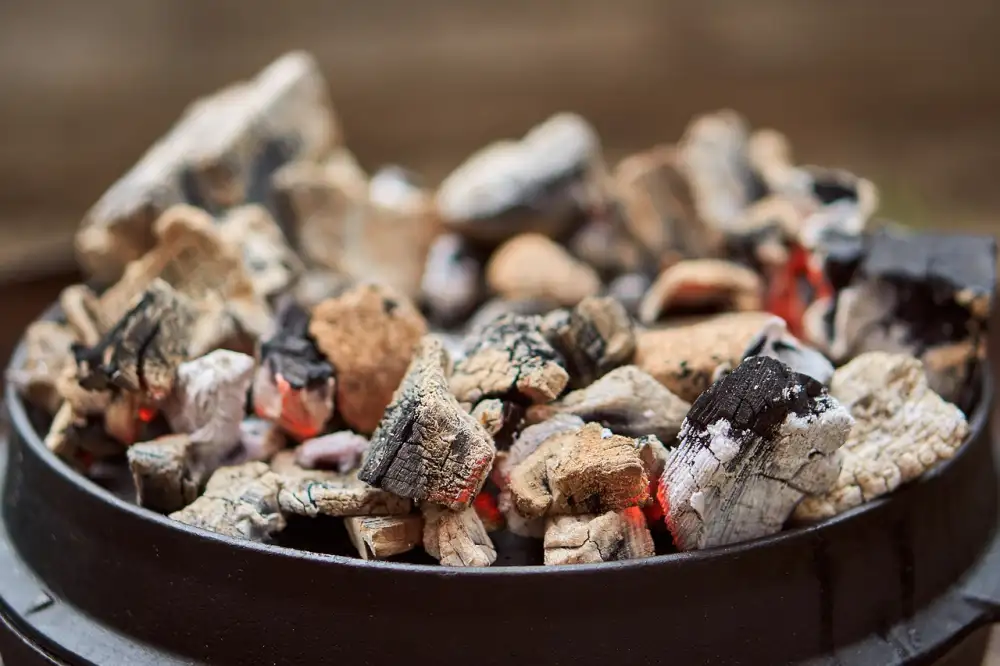
Originally made of cast iron, Dutch ovens were prized for their durability and ability to evenly distribute heat. They were often used for baking bread, simmering stews, and even frying food. The design of the Dutch oven evolved over time, with improvements such as legs and a flat lid that could hold hot coals for even cooking.
During the colonial era, Dutch ovens were essential for survival on long journeys and in remote settlements. They were used by pioneers and explorers as they ventured into uncharted territories. The Dutch oven became synonymous with frontier cooking and was relied upon for its versatility and durability.
Over the years, different cultures have adopted their own versions of the Dutch oven. In France, it is known as a "cocotte," while in Spain it is called a "cazuela." Each culture has put its own spin on this versatile cooking pot, incorporating local ingredients and flavors into their recipes.
Today, the Dutch oven continues to be cherished by home cooks and professional chefs alike. Its timeless design and ability to retain heat make it perfect for slow-cooking dishes like braised meats or hearty soups. Whether you're baking bread or preparing a one-pot meal, the Dutch oven's history is a testament to its enduring appeal in kitchens around the world.
Features and design of Dutch ovens
Dutch ovens are known for their unique features and design, making them a must-have tool in every kitchen. These cooking pots are typically made of heavy-duty cast iron, which provides excellent heat retention and distribution. The thick walls and tight-fitting lid create a sealed environment, allowing food to cook evenly and retain moisture.
The design of Dutch ovens includes sturdy handles on both sides, making it easy to lift and transport the pot, even when it's filled with hot food. Some Dutch ovens also come with a loop handle on the lid, allowing for easy removal without burning your hands.
Another notable feature is the enamel coating found in some Dutch ovens. This not only adds a pop of color to your kitchen but also makes the pot easier to clean and maintain. The enamel coating also prevents rusting and eliminates the need for seasoning the pot before use.
Dutch ovens often have a flat bottom, making them suitable for various cooking surfaces such as stovetops, ovens, or even open fires. This versatility allows you to use your Dutch oven for different cooking methods like braising, stewing, baking, or even frying.
Overall, the features and design of Dutch ovens make them an essential tool for any passionate cook. Whether you're a beginner or an experienced chef, investing in a Dutch oven will undoubtedly elevate your culinary skills and bring out the best flavors in your dishes.
Versatility and uses of Dutch ovens in cooking
Versatility is one of the key features that make Dutch ovens a must-have in every kitchen. These cooking pots can be used for various cooking methods, including braising, stewing, baking, and even frying. The thick walls and tight-fitting lids of Dutch ovens allow for even heat distribution and retention, making them perfect for slow cooking dishes like soups, stews, and roasts. They are also great for baking bread or making desserts like cobblers and pies. Whether you're simmering a hearty chili or preparing a succulent roast, the Dutch oven's ability to hold heat makes it an ideal choice for achieving tender and flavorful results. With its versatility in the kitchen, the Dutch oven truly is a magical tool that can elevate your culinary creations to new heights.
Benefits of cooking with a Dutch oven
1. Retains heat: The thick walls and tight-fitting lid of a Dutch oven help to retain heat, making it perfect for slow cooking and braising. This allows flavors to develop and meats to become tender.
2. Versatile cooking methods: Dutch ovens can be used for various cooking methods such as roasting, baking, frying, and even steaming. Its ability to distribute heat evenly ensures consistent results every time.
3. Energy efficient: Dutch ovens are designed to distribute heat evenly, allowing you to cook on low heat settings for extended periods. This makes them energy efficient compared to other cookware options.
4. One-pot wonder: With a Dutch oven, you can prepare an entire meal in one pot. From soups and stews to casseroles and bread, the versatility of this cooking vessel saves time on cleanup while maximizing flavor.
5. Durability: Dutch ovens are built to last. Made from heavy-duty materials like cast iron or enameled cast iron, they can withstand high temperatures and are resistant to chipping, cracking, or warping.
6. Health benefits: Cooking with a Dutch oven requires less oil or fat due to its excellent heat retention properties. This promotes healthier cooking by reducing the amount of added fats in your dishes.
7. Enhances flavors: The tight-fitting lid traps moisture inside the pot, allowing flavors to intensify during the cooking process. This results in more flavorful and delicious meals that will impress your taste buds.
In conclusion, using a Dutch oven offers numerous benefits for passionate food lovers. Its versatility, durability, energy efficiency, and ability to enhance flavors make it an essential tool in any kitchen arsenal. Whether you're a beginner cook or an experienced chef, investing in a Dutch oven will undoubtedly elevate your culinary creations to new heights
Tips for using and maintaining a Dutch oven
1. Season your Dutch oven: Before using your Dutch oven for the first time, it is important to season it. This process involves coating the inside of the pot with oil and heating it to create a non-stick surface.
2. Use heat-resistant utensils: When cooking with a Dutch oven, make sure to use heat-resistant utensils such as wooden or silicone spoons. Metal utensils can scratch the enamel coating of the pot.
3. Preheat before cooking: To ensure even cooking, always preheat your Dutch oven before adding ingredients. This will help maintain consistent heat throughout the cooking process.
4. Avoid sudden temperature changes: Dutch ovens are designed to withstand high temperatures, but they can crack if exposed to sudden temperature changes. Avoid placing a hot Dutch oven directly on a cold surface or immersing it in cold water immediately after use.
5. Clean with care: After each use, allow your Dutch oven to cool completely before cleaning it. Use warm soapy water and a soft sponge or cloth to gently clean the pot. Avoid abrasive cleaners or scouring pads that can damage the enamel coating.
6. Store properly: To protect the enamel finish of your Dutch oven, store it in a cool and dry place away from direct sunlight. Avoid stacking other heavy pots or pans on top of it to prevent any potential damage.
By following these tips, you can ensure that your Dutch oven remains in excellent condition for years to come, providing you with countless delicious meals!
Popular recipes to try with a Dutch oven
Popular recipes to try with a Dutch oven include hearty stews, braised meats, and flavorful soups. One classic recipe is beef bourguignon, where tender beef is slow-cooked in red wine with aromatic vegetables. Another favorite is chicken and dumplings, where succulent chicken simmers in a rich broth topped with fluffy dumplings. For a vegetarian option, try roasted vegetable lasagna, layering seasonal veggies with cheese and pasta. And don't forget about baking! Dutch ovens are perfect for crusty breads and even desserts like apple crisp. The possibilities are endless when it comes to creating delicious meals with a Dutch oven.
In conclusion, owning a Dutch oven is a must for every food lover. Its versatility and ability to cook a wide range of dishes make it an essential tool in the kitchen. Whether you're simmering a hearty stew, baking bread, or braising meat, the Dutch oven delivers exceptional results.
Not only does it provide even heat distribution and retention, but its durable construction ensures that it will last for generations. The Dutch oven's design allows for slow cooking, infusing flavors and tenderizing meats to perfection.
Furthermore, using a Dutch oven enhances the overall cooking experience. Its ability to go from stovetop to oven makes it convenient and versatile. You can easily sear meat on the stovetop and then transfer it to the oven for slow roasting.
Additionally, the Dutch oven's tight-fitting lid traps moisture and flavors inside, resulting in deliciously moist and flavorful dishes. It also requires less oil or fat due to its excellent heat retention properties.
Lastly, maintaining a Dutch oven is simple. With proper care and seasoning, it will develop a non-stick surface over time, making cleanup effortless.
So why wait? Invest in a Dutch oven today and unlock a world of culinary possibilities. From soups and stews to roasts and desserts, this versatile cooking pot will elevate your cooking game to new heights. Taste the magic of Dutch ovens and experience the joy of creating love-infused dishes that will leave your taste buds craving more!
Published: 29. 11. 2023
Category: Health