
Unveiling the Shelf Life of Almond Milk: Does Almond Milk Go Bad? Discover the Spoilage Signs and Ensure Optimal Health
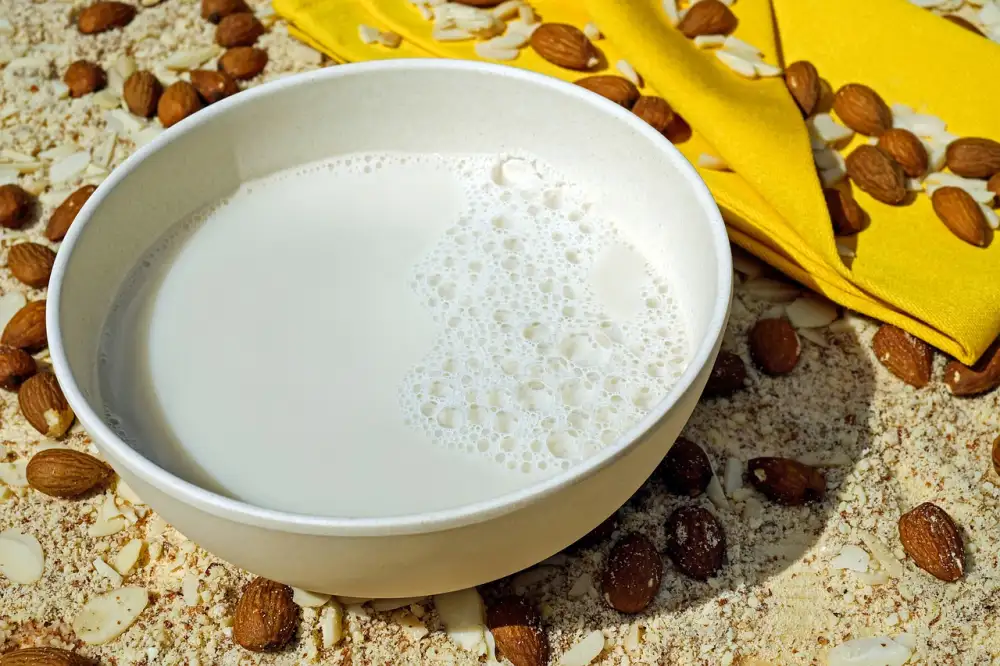
Almond milk has gained popularity as a nutritious and dairy-free alternative to traditional cow's milk. But like any other perishable food, almond milk also has a limited shelf life. As a consumer, it is important to understand how long almond milk lasts and how to identify signs of spoilage. By doing so, you can ensure that you are consuming fresh and safe almond milk for optimal health benefits. In this article, we will delve into the factors that affect the shelf life of almond milk and provide tips on proper storage to extend its freshness. So let's uncover the secrets behind the shelf life of almond milk!
How Long Does Almond Milk Last?
Almond milk, like any other perishable food item, has a limited shelf life. On average, unopened almond milk can last up to two weeks past the printed expiration date when stored properly in the refrigerator. However, it is important to note that this is just an estimate and the actual freshness may vary depending on various factors. Once opened, almond milk should be consumed within 7-10 days for optimal taste and quality. It is crucial to check the expiration date before consuming almond milk to ensure its freshness and safety.
Factors Affecting the Shelf Life of Almond Milk
Several factors can affect the shelf life of almond milk. One of the most important factors is the method of processing and packaging. Almond milk that has been pasteurized and packaged in aseptic containers tends to have a longer shelf life compared to homemade or freshly made almond milk.
Another factor to consider is the storage temperature. Almond milk should be stored in a cool and dry place, away from direct sunlight and heat sources. Exposure to high temperatures can accelerate spoilage and reduce the shelf life of almond milk.
The quality of the almonds used to make the milk also plays a role in its shelf life. Fresh, high-quality almonds are less likely to spoil quickly compared to almonds that are old or have been improperly stored.
Additionally, additives and preservatives can extend the shelf life of almond milk. Some brands may add stabilizers or other ingredients to prolong freshness. It's important to check the label for any additives if you prefer a more natural product.
Lastly, proper handling and hygiene practices are crucial for maintaining the quality and extending the shelf life of almond milk. Contamination from dirty utensils or improper storage techniques can introduce bacteria or spoilage organisms, leading to a shorter shelf life.
By considering these factors, you can ensure that your almond milk stays fresh for as long as possible, allowing you to enjoy its creamy texture and nutty flavor without worrying about spoilage.
Signs of Spoilage in Almond Milk
It is important to be able to recognize the signs of spoilage in almond milk to ensure that you consume it when it is still fresh and safe. Here are some common indicators that almond milk has gone bad:
1. Foul odor: If your almond milk has a sour or rancid smell, it is a clear sign that it has spoiled. Fresh almond milk should have a mild, slightly nutty aroma.
2. Chunky or curdled texture: When almond milk starts to spoil, it may develop lumps or curdle, similar to dairy milk. This change in texture indicates that bacteria or mold growth has occurred.
3. Strange taste: Spoiled almond milk will have an off taste that is unpleasant and different from its usual mild flavor. It may taste sour, bitter, or even metallic.
4. Mold growth: Visible mold growth on the surface of almond milk is a definite sign of spoilage. Do not consume the milk if you see any mold, as it can cause illness.
If you notice any of these signs in your almond milk, it is best to discard it immediately. Consuming spoiled almond milk can lead to foodborne illnesses such as stomach cramps, diarrhea, and vomiting. Always prioritize your health and safety by checking for these spoilage indicators before consuming almond milk.
Tips for Properly Storing Almond Milk
To ensure the freshness and longevity of your almond milk, it is crucial to store it properly. Here are some tips to help you keep your almond milk fresh:
1. Refrigeration: Almond milk should always be stored in the refrigerator, even before opening. The cold temperature helps slow down the growth of bacteria and extends its shelf life.
2. Sealed container: Once opened, transfer the almond milk into a tightly sealed container. This will prevent any contamination from other foods or odors in the fridge.
3. Use-by date: Pay attention to the use-by date on the packaging. It is an indicator of how long the almond milk will remain at its best quality. Consume it before this date for optimal taste and safety.
4. Avoid cross-contamination: Make sure to use clean utensils when scooping or pouring almond milk from its container. Avoid touching the inside of the container with your hands to prevent introducing bacteria.
5. Keep away from direct sunlight: Sunlight can degrade the quality of almond milk and shorten its shelf life. Store it in a cool, dark place, preferably on a lower shelf in your refrigerator.
By following these storage tips, you can enjoy fresh and safe almond milk for a longer period of time while maintaining its flavor and nutritional value.
In conclusion, ensuring the freshness and safety of almond milk is essential for enjoying this nutritious beverage. By understanding its shelf life and the factors that affect it, we can make informed decisions about consuming almond milk. Remember to always check for signs of spoilage before consuming, such as changes in color, texture, or smell. Properly storing almond milk in the refrigerator at temperatures below 40°F (4°C) will help extend its shelf life. So go ahead and indulge in a glass of fresh and safe almond milk, knowing that you are taking care of your health and taste buds!
Published: 12. 12. 2023
Category: Home